張瑞釗 Chang Reed-Joe
Act well your part for those who love you, and those who don't will start loving you.
揭開對ChatGPT的誤解:象牙果雕與長毛象牙雕
2024/9/22
<本文全由ChatGPT 協助完成的 – – 如何讓ChatGPT 寫出像你寫的文章?>

隨著人工智慧(AI)的快速發展,尤其是像 ChatGPT 這類生成模型的出現,AI 已經融入各個領域,從醫療到教育。儘管如此,許多使用者仍然高估 AI 的能力,認為 AI,特別是 ChatGPT,能夠提供無懈可擊、無所不知的回應。這些錯誤的期望通常是因為沒有徹底了解 AI 的運作原理,而導致盲目追隨 ChatGPT。
在 2024 年 9 月 11 日的中國時報論壇上發表的一篇名為 「AI ‘無所不知’ 的錯覺」 的文章中(China Times, 翻爆 – 翻報),對 ChatGPT 的一些回答提出了批評,特別是關於象牙與長毛象的回應。文章暗示 ChatGPT 混淆了象牙的不同種類,並批評其知識的缺乏。這些批評反映了社群中對 AI 普遍的誤解。本文將探討這些誤解的原因,並強調精確提問(prompt)的重要性。
一、關於 AI 真實能力的盲點
一個常見的誤解是,AI(包括 ChatGPT)能夠完美處理任何問題或任務。這種對 AI 全能的信念,來自於 AI 強大的生成(輸出)能力。然而,像 ChatGPT 這樣的 AI 模型並不是為了做到萬無一失而設計的。雖然 ChatGPT 的訓練數據涵蓋了接近 3 兆個詞彙,涉及各種文本、話題,但其訓練數據無法囊括所有語言的細微差別或知識領域。ChatGPT 的回應是基於其訓練數據中的模式,但不可避免地存在知識空白。
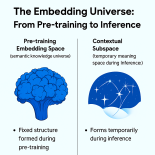
這種誤解的一個例子可以從象牙的批評中看出。不熟悉 AI 模型運作的使用者可能認為錯誤來自於知識不足,而實際上是提示、上下文與模型訓練數據之間的複雜互動所致。儘管 ChatGPT 可以處理多種輸入,但其回應的品質高度依賴於提示是否能正確引導模型進入其嵌入空間(embedding space)中的相關知識區域。在這種情況下,問題的關鍵在於使用者如何設計問題,以及他們對 AI 能力的了解程度。
二、象牙果雕:提問精確度的重要性
文章提到了一個關於“象牙果雕”的問題,指責 ChatGPT 對象牙果(tagua nut)和真象牙的混淆。然而,這樣的錯誤通常來自於提問的模糊性。如果問題沒有明確指出“象牙果”,模型可能會生成與象牙相關的廣泛回答。由於 ChatGPT 是基於大量數據訓練的,它的回答是基於提示(prompt)和上下文(context)生成的。回答的準確性取決於提問的清楚度,這說明了在與 AI 互動時,精確提問的重要性。
三、長毛象牙:合法與倫理的區別
文章還批評 ChatGPT 混淆了長毛象牙與現代象牙。實際上,長毛象牙來自於已滅絕的動物遺骸,並且在許多國家被視為合法的象牙替代品,特別是在國際法限制現代象牙貿易的情況下。如果問題能更清楚地區分歷史與現代的背景,ChatGPT 很可能會提供更準確的回答。因此,這類批評應更集中在問題的設計上,而非直接歸咎於 AI 本身。
四、《論語》中的知識態度:知之為知之,不知為不知
文章還引用了《論語》中的「知之為知之,不知為不知,是知也」來批評 ChatGPT 的「無知」,暗示 AI 不願意承認其局限性。實際上,ChatGPT 的設計是當其無法回答某個問題時,會表達其不確定性,這與《論語》此經典語錄的哲學相符:承認自己不知道的事情才是真智慧。因此,這種批評實際上顯示了對 ChatGPT 設計理念的誤解。
五、對 ChatGPT 的誤解:AI 是否虛應故事?
該專欄還批評 ChatGPT 在無法回答時的“虛應故事”。這是一種對 AI 運作機制的誤解。ChatGPT 不會假裝知道一切,而是基於其訓練數據進行回應。當面對模糊或不清楚的問題時,模型會根據上下文進行推斷,但這並不意味著它憑空捏造答案。ChatGPT 的回應品質取決於提示的清楚度;它並不假裝知道所有事情,而是基於已學到的數據進行最合理的推測。
六、盲目與盲從
對 AI 的盲目信任往往會導致盲從,使用者不經批判地接受 AI 的輸出,甚至依賴它而沒進一步審查。當誤解擴散時,則加深了對 AI 全知全能的迷思。這不僅扭曲了 AI 的真實角色,也阻礙了使用者對這項技術進行批判性的思考。
例如,使用者從 AI 模型獲得回應時,往往假設其先進性意味著答案的正確性。然而,如同 象牙雕的案例所示,誤解往往來自於提問設計不當。如果使用者不了解如何設計精確問題,他們可能會無意中散播錯誤信息,誤以為 AI 總是提供正確答案。
七、從來沒有人說 AI 無所不知
至關重要的是,AI 開發者和專家從未聲稱 AI 是無所不能的。像 ChatGPT 這樣的系統是用來輔助完成各種任務的強大工具,但無法完美理解每個問題或情境。認為 AI 可以解決所有問題是要糾正的誤解。要有效使用 AI,使用者需要理解其優勢和局限性。AI 模型非常強大,但需要清楚和精確的輸入才能產生最佳結果。AI 與人類判斷的結合才是真正讓 AI 發揮作用的關鍵。
八、感嘆與反思:從科技專欄作家到一般使用者
令人遺憾的是,連科技專欄作家也對 ChatGPT 和 AI 技術存在如此大的誤解。如果專業人士都未能深入理解這項技術,那麼一般使用者的認知又如何呢?許多批評源於對 AI 的基本原理缺乏了解,尤其是對精確提問的重要性。如果我們無法正確地與這項技術互動,那麼我們很可能會陷入盲目相信 AI 的陷阱。因此,為了確保科技的廣泛應用,教育與知識普及變得尤為重要。
結論
總之,儘管 AI 已有長足進步,但是並非無所不能,也沒有人聲稱它是完美無缺的。尤其是圍繞 ChatGPT 這類模型的誤解,導致使用者盲目跟隨潮流並散布不準確的信息。誤解這項技術的運作方式,只會導致不切實際的期望。與其盲目相信 AI 無所不知,使用者應該充分發揮其潛力,而不陷入盲目信任的陷阱。最終,應以智慧、清晰和批判性思維來面對 AI。AI 是輔助工具,而非替代品,聰明地使用 AI 才是正確的方式。
Blind Pursuit and Conformity: No One Ever Claimed AI Is Omnipotent
With the rapid development of artificial intelligence (AI), particularly with the emergence of generative models like ChatGPT, AI has been integrated into various fields, from healthcare to education. However, many users still overestimate AI’s capabilities, believing that AI, especially ChatGPT, can provide flawless and omniscient responses. These misconceptions often stem from a lack of understanding of how AI operates, leading to the blind pursuit of ChatGPT.
In an article titled “The Illusion of AI’s Omnipotence” published on September 11, 2024 in the China Times Forum, some criticisms were made about ChatGPT’s responses, particularly regarding ivory and mammoth-related questions. The article implied that ChatGPT confused different types of ivory and criticized its lack of knowledge. These critiques reflect broader societal misunderstandings about AI. This essay will explore the sources of these misconceptions and emphasize the importance of precise questioning when interacting with AI.
1. Misunderstanding AI’s True Capabilities
A common misconception is that AI (including ChatGPT) can perfectly handle any problem or task. This belief in AI’s omnipotence arises from the impressive outputs that AI can generate. However, models like ChatGPT are not designed to be infallible. Although ChatGPT’s training data covers nearly 3 trillion words, spanning various topics, it cannot encompass all the nuances of language or knowledge domains. ChatGPT’s responses are based on the patterns it has learned from its training data, but gaps in knowledge are inevitable.
An example of this misunderstanding can be seen in the criticism of ivory-related responses. Users unfamiliar with how AI models function may assume the error stems from a lack of knowledge, when in reality, it’s a result of the complex interactions between the prompt, context, and the model’s training data. Although ChatGPT can handle diverse inputs, the quality of its responses largely depends on whether the prompt accurately directs the model to the relevant area of its embedded knowledge. In this case, the key issue lies in how the user formulates the question and their understanding of AI’s capabilities.
2. Tagua Nut Carvings: The Importance of Precise Questioning
The article mentioned a question regarding “tagua nut carvings,” accusing ChatGPT of confusing tagua nuts (vegetable ivory) with real ivory. However, such errors often arise from vague prompts. If the question does not clearly specify “tagua nut,” the model might generate a broad response related to ivory. Since ChatGPT is trained on vast amounts of data, its answers are generated based on prompts and context. The accuracy of the response depends on the clarity of the question, highlighting the importance of precision when interacting with AI.
3. Mammoth Ivory: Legal and Ethical Distinctions
The article also criticized ChatGPT for confusing mammoth ivory with modern elephant ivory. In reality, mammoth ivory comes from the remains of extinct animals and is considered a legal substitute for elephant ivory in many countries, particularly as international laws restrict the trade of modern ivory. If the question had more clearly distinguished between historical and modern contexts, ChatGPT likely would have provided a more accurate answer. Therefore, such criticisms should focus more on how the question is designed rather than directly blaming the AI.
4. The Knowledge Attitude in The Analects: Knowing What You Know, Admitting What You Don’t
The article also cited a quote from The Analects: “To know what you know, and to admit what you don’t know, is true knowledge,” to criticize ChatGPT’s supposed “ignorance,” implying that AI is unwilling to acknowledge its limitations. In reality, ChatGPT is designed to express uncertainty when it cannot answer a question, which aligns with the philosophy of this classic quote from The Analects. Therefore, this criticism actually reveals a misunderstanding of ChatGPT’s design principles.
5. Misconceptions About ChatGPT: Is AI Fabricating Stories?
The column also accused ChatGPT of “fabricating stories” when it cannot provide an answer. This is a misunderstanding of AI’s operation mechanism. ChatGPT doesn’t pretend to know everything; instead, it generates responses based on its training data. When faced with vague or unclear questions, the model extrapolates based on context, but this doesn’t mean it’s inventing answers out of thin air. ChatGPT’s response quality depends on the clarity of the prompt; it doesn’t pretend to know everything but rather makes the most reasonable inferences based on learned data.
6. The Spread of Misconceptions and Conformity
Blind trust in AI often leads to conformity, where users uncritically accept AI outputs and even rely on them without verification. As misconceptions spread, they further reinforce the myth of AI’s omniscience. This not only distorts AI’s true role but also hinders users from engaging in critical thinking about the technology.
For example, when users receive responses from AI models, they often assume that the advanced technology guarantees correctness. However, as shown in the ivory carving case, misunderstandings often stem from poorly designed prompts. If users don’t know how to formulate precise questions, they may inadvertently spread misinformation, falsely believing that AI always provides correct answers
7. No One Ever Claimed AI Is Omnipotent
It is crucial to note that AI developers and experts have never claimed that AI is omnipotent. Systems like ChatGPT are powerful tools for assisting with various tasks, but they cannot perfectly understand every question or situation. The belief that AI can solve every problem is a misconception that needs to be corrected. To use AI effectively, users must understand both its strengths and limitations. AI models are incredibly powerful, but they require clear and precise input to generate the best results. The combination of AI with human judgment is what truly allows AI to shine.
8. Reflection: From Tech Columnists to Everyday Users
It is unfortunate that even tech columnists harbor such deep misunderstandings of ChatGPT and AI technology. If professionals fail to fully understand this technology, what can be expected of everyday users? Many criticisms stem from a fundamental lack of knowledge about how AI works, particularly the importance of precise prompts. If we fail to interact correctly with this technology, we are likely to fall into the trap of blindly believing in AI. Therefore, education and knowledge dissemination are crucial to ensure the responsible use of technology.
Conclusion
In summary, while AI has made great strides, it is not omnipotent, and no one has ever claimed it to be perfect. Misunderstandings surrounding models like ChatGPT lead users to blindly follow trends and spread inaccurate information. Misunderstanding how this technology operates only leads to unrealistic expectations. Instead of blindly believing that AI knows everything, users should learn how to make the most of its potential without falling into the trap of blind trust. Ultimately, we must face AI with wisdom, clarity, and critical thinking. AI is a tool, not a replacement for human judgment; using AI wisely is the right approach.