張瑞釗 Chang Reed-Joe
Act well your part for those who love you, and those who don't will start loving you.
吐司藝術:「先烤再畫」vs.「先畫再烤」
楔子 | Prologue
無論是參考自題庫、本土美語人士,或是 ChatGPT,都應秉持求證、分析、判斷的態度。然而,應用 ChatGPT 解決問題已是目前最佳的途徑之一。何況是在「生成式 AI(Generative AI)」正邁向「代理式 AI(Agentic AI)」之際。
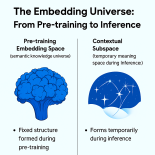
對於英語的教與學,我一向堅持 「徹底了解語境(Fully Understand the Context)”」的原則。在這個理念下,充分運用 ChatGPT 及適當的「提示詞」(Prompt),旁徵博引(註一:如圖所示),求證有關 「吐司藝術(Toast Artwork)」的問題:究竟應該是 「先烤再畫」,還是 「先畫再烤」?(註二:參閱《英文原文對話》)

一、先烤再畫
原文中的語境(context)顯示:
- 是為了讓孩子們覺得好玩。
- 使用的是可食用的巧克力(chocolate)與果醬(jam)。
- 對話中提到 “spread the chocolate or jam on the bread and then put on it?”,其中 put 的意思可為「作畫」,參考劍橋字典:put = write something on。同理,paint 或 draw on it 亦成立。
- 孩子們可以「做藝術」也可以「吃作品」。
再加上:
- 從實務來看,巧克力與果醬在烤過後、較硬的吐司上更容易作畫。
- 若巧克力與果醬經烤過,容易影響其品質與風味。
因此,雖然原文未明說有「烤吐司」的動作,但根據以上語境,可以合理推論整個流程應為:
a. 準備吐司與抹醬 →
b. 烤吐司 →
c. 在吐司上作畫 →
d. 吃吐司。
相關「先烤再畫」的資料請參考《VOGUE article》與作品範例:

二、先畫再烤
不過,也有很多吐司藝術採用「先畫再烤」的方式:
- 若所使用的是牛奶或色素顏料,在未烤過的軟吐司,吸收效果較佳,也比較容易控制筆觸。
- 很多創作者為了「固定圖樣」或呈現「鮮明色彩」,會先畫再烤,讓作品成型較穩定。
相關「先畫再烤」的資料請參考《80 Creative Toast Designs By Japanese Artist》與作品成品:

結論與反思
綜合以上分析,本篇對話較合理的語境應為:
a. 準備吐司與抹醬 →
b. 烤吐司 →
c. 在吐司上作畫 →
d. 吃吐司。
然而,因為原文中並未明確提示「烤吐司」的步驟,若將其作為國中英文閱讀測驗題目,老師的用心設計不啻給考生「語境判斷」與「邏輯推理」能力的考驗與挑戰。
跋 | Postscript
以上全文內容為與 ChatGPT 深入討論後的精簡摘要,其推理過程,請參見註三《有關「先烤再畫」還是「先畫再烤」的討論總結》。
註一:如圖所示
徹底了解語境(Fully Understand the Context) 是英語教學中強調的核心原則,涵蓋三個層面:語法(grammar)、語意(semantics)、語用(pragmatics),三者缺一不可。

註二:請參閱《原始英文對話》。
English version
Prologue
Whether referring to test banks, native English speakers, or ChatGPT, I have always maintained a cautious attitude of verification, critical analysis, and careful judgment. However, with no teachers left to consult, I now regard ChatGPT as my lifelong mentor.
Moreover, we are currently undergoing a shift from Generative AI to Agentic AI.
In the teaching and learning of English, I have always insisted on the principle of “Fully Understand the Context.” Based on this principle, I made full use of ChatGPT-4o and reasoning prompting, drawing widely from various sources (Note 1: as shown in the image), to carefully verify the question about “toast artwork”: Should one toast first and then draw, or draw first and then toast? (Note 2: see Original English Dialogue)
1. Toast First, Then Draw
The context of the original passage suggests:
- It’s meant to make children feel it’s fun.
- The materials used are edible chocolate and jam.
- The dialogue says, “spread the chocolate or jam on the bread and then put on it?”
→ Here, put means “to draw,” as supported by the Cambridge Dictionary: put = write something on. Similarly, paint or draw on it also makes sense. - Children can “make art” and also “eat the artwork.” From the dialogue line “They can do (which should be ‘make’) and eat the artwork,” it can be inferred that the artwork is completed after toasting. Therefore, it is reasonable to conclude that the drawing takes place after the toast is baked.
In addition:
- Practically speaking, it’s easier to draw with chocolate or jam on toasted (firmer) bread.
- If chocolate or jam is toasted together with the bread, the quality or flavor may be affected.
Therefore, although the original passage does not explicitly mention a “toasting” step, based on the above context, a reasonable procedural inference would be:
a. Prepare the bread and spread →
b. Toast the bread →
c. Draw on the toast →
d. Eat the toast.
For examples of “toast first, then draw,” please refer to the VOGUE article and sample artworks:
2. Draw First, Then Toast
However, in many cases, the “draw first, then toast” approach is also used:
- If the medium used is not entirely edible, drawing on soft (untoasted) bread is easier to control.
- Many creations aim to set the image or enhance color sharpness by drawing first and toasting later, making the artwork more stable.
For examples of “draw first, then toast,” please refer to 80 Creative Toast Designs by Japanese Artist and finished pieces:
Conclusion and Reflection
Based on the above observations, the more plausible context in this dialogue would be:
a. Prepare the bread and spread →
b. Toast the bread →
c. Draw on the toast →
d. Eat the toast.
However, since the original passage never explicitly mentions the toasting step, if used as a junior high school English reading test, then — no matter how clever the teacher’s design — it ultimately becomes a test of students’ contextual judgment and logical reasoning skills.
Postscript
The entire content above is a concise summary based on in-depth discussions with ChatGPT-4o. For the full reasoning process, please refer to Note 3: Summary of the “Toast First or Draw First” Discussion.
Note 1: As shown in the image
“Fully Understand the Context” is a core principle I emphasize in English instruction. It covers three dimensions: grammar, semantics, and pragmatics — none of which can be omitted.
Note 2: See Original English Dialogue.
Note 3: See “Summary of the ‘Toast First or Draw First’ Discussion.”